
What to Sow in March for a Summer Harvest
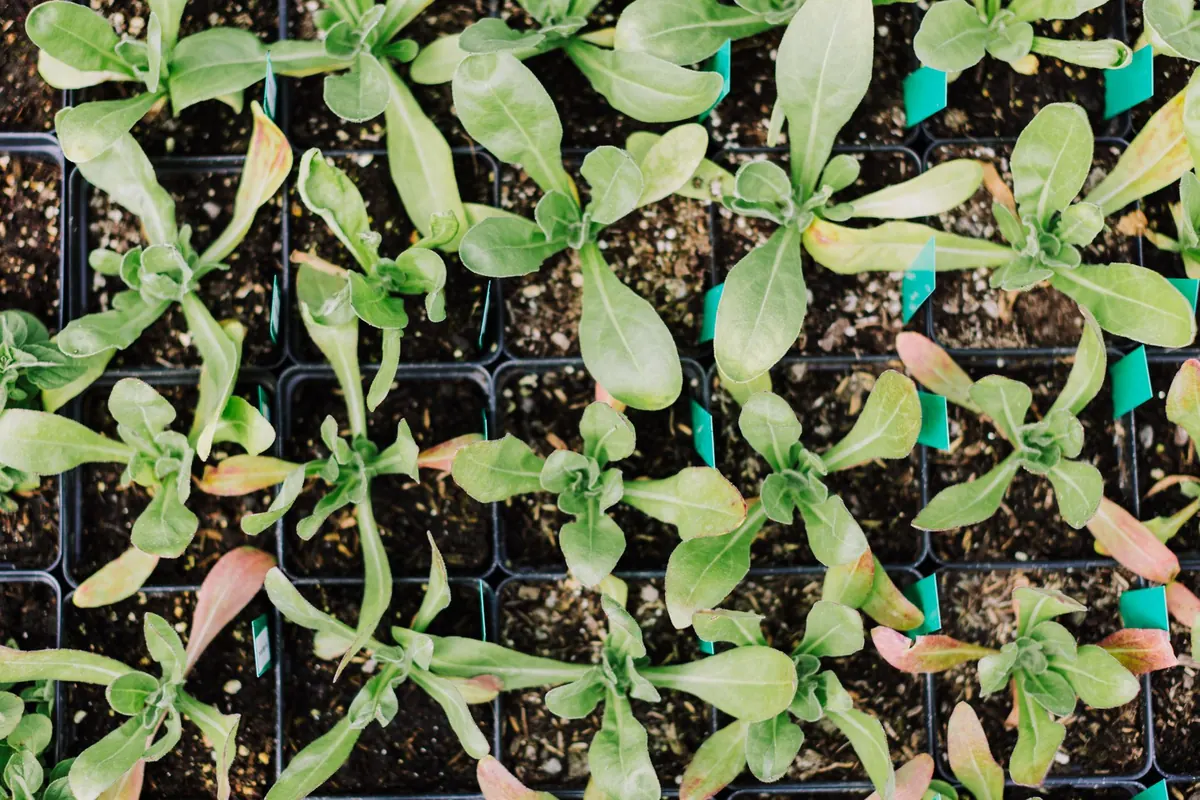
March is the month the garden wakes up, and the month most of us get a little over-excited. A warm afternoon in the second week is enough to send anyone out with a packet of seeds and a trowel. Then the wind swings back to the north-east and the seedlings sulk. The answer isn't caution for its own sake — it's sowing in layers, so some plants are safely under cover, some are tucked under fleece, and only the genuinely tough ones are out in the open soil.
What follows is a working calendar for a UK garden: what to start indoors, what will cope outside under cover, and what can go straight into the ground. Timings shift by a fortnight or so depending on where you garden, so treat the soil, not the date on the packet, as the final judge.
Read the ground before you read the seed packet
Squeeze a handful of soil. If it forms a ball that holds together and drips water, it's too wet — wait a few days and test again. If it crumbles as you open your hand, it's workable. Cold, wet soil rots seeds and seedlings faster than frost does.
If you garden on heavy clay, March sowing is often a fortnight behind a light sandy plot ten miles away. A sheet of black polythene or a cloche left in place for a week or two will lift the surface temperature by a useful few degrees and dry the top layer out. That single trick is worth more than any sowing date in a book.
Start indoors: the tender crops and slow starters
Anything that hates cold, and anything that needs a long season, earns its place on the windowsill or in the propagator this month.
- Tomatoes — sow late March for growing outdoors or in an unheated greenhouse. Sow earlier only if you can hold them at around 18°C and give them strong light.
- Peppers and chillies — early March, and they want real warmth, ideally 21–24°C to germinate.
- Aubergines — same treatment as peppers, and they resent any check to their growth.
- Cucumbers — late March, sown on edge in a small pot and kept warm.
- Celery and celeriac — sow on the surface and don't bury the seed; light helps germination.
- Leeks and onions from seed — a module tray or deep pot now gives sturdy plants for setting out in late spring.
- Brassicas — calabrese, summer cabbage, kale and Brussels sprouts all sow happily in modules now.
Two things matter more than anything else indoors: light and air movement. A north-facing windowsill will give you pale, drawn seedlings that never quite recover. Turn trays daily, and once the first true leaves appear, move plants on before they crowd each other.
Sow outdoors under cover
Under a cloche, in a cold frame or in an unheated greenhouse, you can be a good deal braver. The soil stays drier and warmer, and a layer of fleece on a cold night costs nothing.
- Carrots and beetroot — short rows, sown thinly.
- Radishes, salad leaves, spinach and chard — quick to germinate and worth sowing in small batches.
- Spring onions and turnips — reliable in a frame or under a cloche.
- Early peas and broad beans — protect the seedlings from mice and pigeons.
Sow little and often. A three-foot row of radishes sown every fortnight from now until July will keep you in salads. One long row sown in March will give you a glut, then nothing.
Straight into the open ground
Wait until the soil is workable and the forecast isn't threatening a hard frost. On a well-drained plot in the south that may be early March; on heavier soil further north it's often the end of the month.
- Parsnips — the long season means they go in early. Germination is slow, so mark the row with a thread or a few radish seeds.
- Carrots — direct sowing avoids the forked roots you get from transplanting.
- Broad beans and peas — both tolerate a cold snap.
- Spinach, chard and salad leaves — sow a short row, then another in a fortnight.
- Onion sets and shallots — push them in so the tip just shows above the soil.
- Early potatoes — traditionally planted around the end of the month. Earth them up as shoots appear so late frosts can't reach them.
Herbs, hardy and tender
Hardy herbs are straightforward. Parsley, chervil, coriander, dill and chives can all be sown outdoors in a warm spot or under cover. Thyme and oregano germinate slowly and prefer a gritty, free-draining mix — don't mollycoddle them with rich compost and constant watering. Mint is best bought as a plant or divided from a root, because seed-grown mint is unpredictable in flavour; keep it in a pot unless you want it everywhere.
Basil belongs indoors for now, since it sulks below about 12°C. Rosemary is far easier from cuttings than from seed.
Flowers for cutting and colour
Hardy annuals can be sown direct where they are to flower, and they will reward you from June onwards. Cornflowers, calendula, nigella, poppies and larkspur are the dependable ones. Sweet peas sown now will catch up with autumn-sown plants by midsummer, especially if you pinch out the growing tips once two pairs of leaves have formed.
Half-hardy flowers need cover for another month: cosmos, zinnias, marigolds, nicotiana, antirrhinums and sunflowers. Start them in modules in a warm room or a heated greenhouse. Dahlia tubers can go into pots under cover towards the end of the month, kept just moist until shoots appear.
A short checklist for the next fortnight
Hardening off matters. Anything raised indoors needs seven to ten days in a cold frame or a sheltered spot before it goes into open ground — out by day, in at night, gradually extending the time. Skipping this stage is the commonest reason March-raised plants stall in April.
Label everything, including the date. It's easy to forget which tray held the peppers and which the aubergines, and it's useful to look back next year and see what actually worked.
Keep a fleece or a couple of cloches to hand for cold nights, and check seedlings daily, because March changes its mind quickly. Sow a small tray of tomatoes, a short row of radishes and a pot of parsley this weekend, and you'll have the beginnings of a summer's picking without gambling the whole plot on a mild spell.
Photo: K / Pexels