
How to Prune Roses Without Causing Dieback
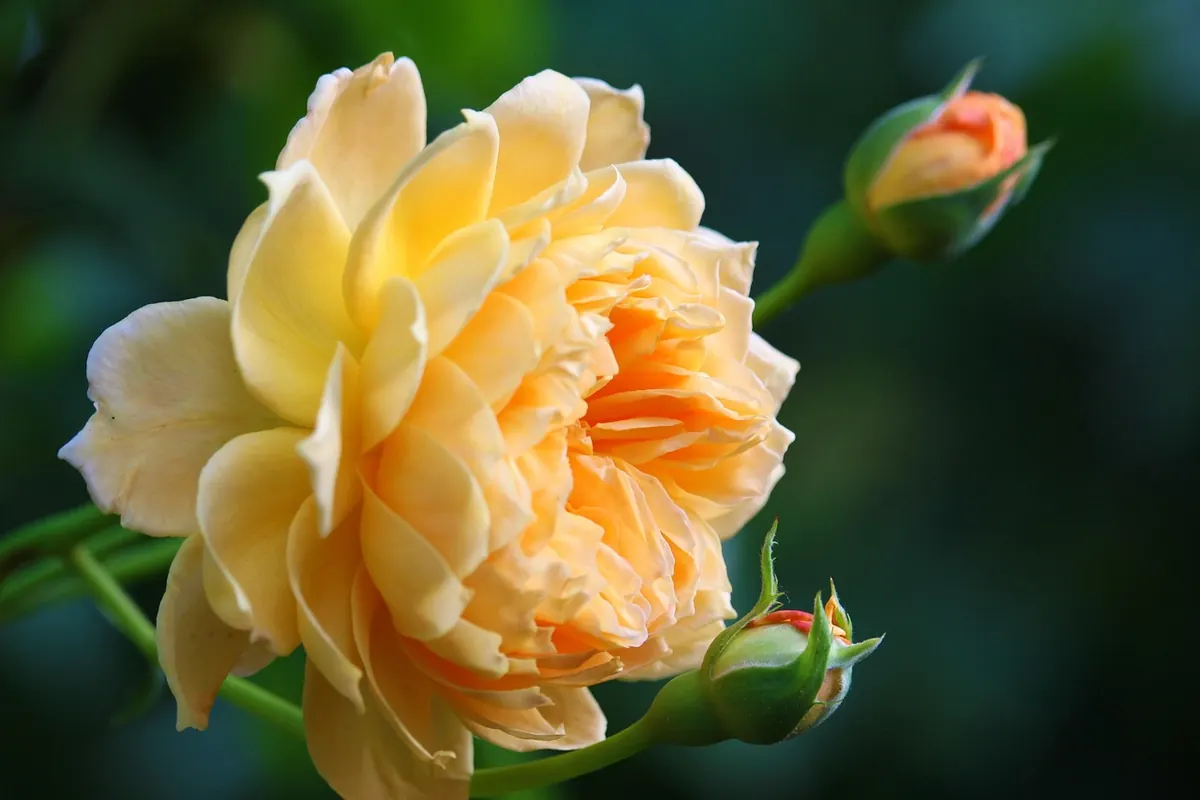
Roses are forgiving, but they are not careless. A blunt pair of secateurs, a stub left too long above a bud, or a cut made in a frost can turn a routine winter prune into a slow retreat down the stem. Dieback — the brown-black stain that spreads from a badly made cut — is almost always man-made. Get the timing, the angle and the hygiene right and your roses will push away cleanly from every cut, with stronger growth and better flowers by midsummer.
Timing Matters More Than Technique
Prune at the wrong moment and even a perfect cut struggles to heal. In the UK, most bush roses — hybrid teas, floribundas and repeat-flowering shrub roses — are pruned in late February or early March, just as the buds begin to swell. The plant is dormant enough to cope with losing wood, but growth is close enough to the surface to seal the wound quickly.
Avoid the temptation of a mild spell in January. A sharp frost a fortnight later can kill the tissue around an open cut, and dead tissue is exactly where dieback begins. If a cold snap is forecast, wait. A week either way makes no difference to flowering; a frost-damaged cut can set a rose back a whole season.
Once-flowering shrub roses, ramblers and most species roses are the exception. They flower on wood made the previous year, so prune them after flowering in summer instead.
Sharpen and Clean Before You Start
Two habits prevent most problems. The first is sharpness. A clean, sharp bypass cut slices through the stem; a blunt one crushes it, leaving torn fibres that die back and invite infection. Sharpen the blade before the season starts and touch it up every hour or so of cutting. Anvil secateurs crush stems, so leave them for dead wood — or better, do not use them on roses at all.
The second habit is hygiene. Fungal spores travel on blades. Wipe the cutting blade with methylated spirits, an alcohol wipe or a garden disinfectant between bushes, and always after working on a rose with black spot or canker. A small spray bottle in the trug makes this painless.
You will need:
- Bypass secateurs for stems up to about 1cm
- Loppers for anything thicker, and a pruning saw for old woody stems
- Thick gauntlets — rose thorns go straight through thin gloves
- A trug and a bag for clippings, which should not be composted if the plant has disease
Making the Cut
Almost all dieback starts at the cut itself, so this is worth slowing down for.
Find an outward-facing bud — one pointing away from the centre of the bush — on a healthy green stem. Set the blade about 5mm above it, angled so the cut slopes gently down and away from the bud, not towards it. Then close the secateurs in one firm squeeze. If you have to gnaw at the stem, either the blade is blunt or the stem is too thick for the tool.
Three mistakes cause most of the damage:
- Leaving a long stub above the bud. The stub has no bud to draw sap, so it dies back to the nearest live point — usually well below where you wanted the cut.
- Cutting too close. Nick the bud and it either dies or throws a weak, deformed shoot.
- Slicing flat and horizontal, so the cut holds water, or so steeply that a lot of tissue is exposed. A gentle slope away from the bud sheds water and heals fastest.
Check the wood as you go. If the centre of the stem is brown or hollow, move down to the next bud and cut again. On thick old stems, saw cleanly; a ragged, torn end is a doorway for disease.
Work in the Right Order
Clear the ground first, then work through the bush in this sequence:
- Dead, damaged and diseased wood — anything black, brittle or cankered. Cut back into clean, pale wood even if that means going low.
- Thin, spindly stems, and any growth crossing through the middle of the bush, which rubs and creates wounds.
- Suckers from below the union — the knuckle where the stems join the rootstock. Tear them away rather than cutting if you can, as that removes dormant buds too.
- Only then shape what is left, cutting main stems to an outward-facing bud and opening up the centre.
Rake up clippings and fallen leaves and take them off the bed. Spores left at the base have a very short journey back to the plant.
Different Roses, Different Rules
Climbing roses get their main prune in late winter, but the framework is tied in first and only the sideshoots are shortened, to two or three buds. Ramblers flower on long new growth from the base, so they are pruned in late summer once flowering finishes.
Repeat-flowering shrub roses, including most English roses, take a lighter winter prune than a hybrid tea: remove a quarter to a third of the oldest stems at the base each year and shorten the rest.
Species roses and once-flowering old roses need little more than dead wood taken out. Prune them after flowering to keep the hips and the arching shape.
If Dieback Appears Anyway
Check your cuts a few weeks later. A healthy cut calluses and the stem below stays green. Brown staining spreading downwards, or a sunken darker patch, means trouble.
Cut back below the affected area into clean wood, at a bud, then clean your tools before touching another rose. If the problem keeps running down the stem, take the whole stem out at the base and bin it.
Canker looks similar — brown or purple lesions, often with a cracked surface. Treat it the same way, cutting well below the lesion, and leave cankered roses until last so you do not carry infection to healthy plants.
Keeping the Flowers Coming
Winter pruning sets up the season, but what follows matters too.
Deadhead repeat-flowering roses through summer, cutting back to a strong leaf with five leaflets or to a side shoot rather than snapping the flower off. That pushes the plant into new flowering growth instead of hip production.
Feed after pruning and again in early summer, mulch with well-rotted manure or compost around — but not touching — the base, and water deeply in dry spells. Too much high-nitrogen feed gives soft, sappy growth that is more prone to disease and more likely to die back after winter.
Leave hips on species and once-flowering roses for the birds and winter colour, and clear fallen leaves from around the base at the end of the season to limit black spot carry-over.
Pruning well is mostly about slowing down. Sharp blades, clean cuts and a bud left intact to grow from will do more for your roses than any feed or spray.
Photo: KRiemer / Pixabay