
Peat-Free vs Peat-Based Compost: Which Should UK Gardeners Use?
Peat-Free vs Peat-Based Compost: Which Should UK Gardeners Use?
Walk down the compost aisle of any garden centre and you will find two kinds of bag side by side. For decades the choice was simple: peat was cheap, consistent and every grower knew how it behaved in a pot. That has changed. Peat-free composts have improved, rules around peat are tightening, and plenty of gardeners are quietly wondering whether their tomatoes will notice the difference. Here is how the two compare on water, nutrients, cost and impact.
Why peat became the default
Peat is dug from bogs, largely in Ireland and the Baltic region. It holds water and air in a way that suits roots, resists compaction, and contains almost no nutrients of its own — the feed in a bag of multipurpose compost is added separately. That predictability is why growers relied on it. A bag of peat-based compost behaves much the same from one year to the next, which makes it easy to plan watering and feeding routines around it.
The problem is timescale. A bog builds peat at roughly a millimetre a year, so the layer being stripped took centuries to form. Peatlands also lock up carbon and support specialised plants and wildlife, and extraction releases that carbon while destroying the habitat. UK policy has been moving towards ending sales of peat to amateur gardeners, so peat-free is where the market is heading regardless of how you feel about the reasoning. Even if you are not swayed by the environmental argument, the practical argument is hard to ignore: the peat-based bags you have relied on may not be available in the same form for much longer.
Water retention: the biggest practical difference
Peat holds a lot of water and releases it slowly, which is why it forgives the occasional missed watering. Peat-free mixes vary far more, because they are blends. Coir wets easily and holds water well, but it can shrink slightly when dry and become harder to rewet if it is allowed to go bone dry. Bark and wood fibre improve drainage and air movement, but they do not hold as much water as peat. Green waste compost holds water reasonably well and adds some nutrients, though its quality can vary from one batch to another.
In practice, this means peat-free compost often needs a little more attention. A tomato plant in a 10-litre pot of peat-based compost might manage a hot summer day without flagging; the same plant in a peat-free mix may need checking morning and evening. Hanging baskets and small containers are the hardest test, because they have little compost volume to buffer mistakes. You can close the gap by mixing in a water-retaining material such as composted bark, by using larger pots, by mulching the surface, and by standing pots in saucers or trays so they can draw water back up. Conversely, some peat-free mixes can stay wetter than expected in winter, especially if they contain a lot of green waste compost. For overwintering pots, add extra perlite or bark to keep roots from sitting in cold, soggy compost.
Nutrients and plant performance
Peat contains almost no nutrients of its own, so the feed in a bag of peat-based multipurpose compost is entirely added. Peat-free composts are more variable. Coir and wood fibre are also low in nutrients, while green waste compost and composted bracken can supply a modest amount. That sounds like an advantage, but it makes feeding less predictable. A peat-free compost may feed plants for four to six weeks, or it may run out sooner if the mix is heavy on wood fibre and the plants are hungry.
For most UK gardeners, the answer is to feed sooner and more consistently. Tomatoes, courgettes, peppers, dahlias and other heavy feeders will usually need a liquid feed once flowers begin to set. Leafy crops such as salads and chard may need a nitrogen-rich feed if they look pale. Seed sowing is a different matter: young seedlings need low nutrients, so use a dedicated seed compost rather than a rich multipurpose mix. Ericaceous plants such as blueberries, rhododendrons and camellias need an acid mix; choose a peat-free ericaceous compost and water with rainwater where possible, because tap water can gradually raise the pH.
Cost and availability
Peat-based compost has long been cheap because peat is relatively easy to extract and transport. Peat-free compost often costs more, because it uses ingredients such as coir, bark, wood fibre and green waste compost that must be processed and blended. The gap has narrowed as demand has grown, but cheap peat-free bags can still be inconsistent. A bargain bag may be heavy, poorly aerated or full of large pieces of bark. It is usually worth paying a little more for a reputable brand, especially for containers and seed sowing. Look for bags labelled peat-free rather than reduced peat; reduced-peat products still contain peat and do not solve the underlying issue.
What is actually in peat-free compost?
Peat-free compost is not one material. It is a recipe, and the best blends combine ingredients that do different jobs.
- Coir — a by-product of coconut processing. It wets easily, holds water well and has a pleasant, open texture.
- Bark — improves drainage and air space, and breaks down slowly. It is useful in larger pots and for shrubs.
- Wood fibre — lightens the mix and improves structure, but can lock up a little nitrogen as it decomposes unless the manufacturer has compensated with feed.
- Green waste compost — adds water retention and some nutrients, but quality depends on the source and how well it has been composted.
- Composted bracken or sheep's wool — specialist ingredients used by some UK producers to add texture, water retention and slow-release nutrients.
- Perlite, vermiculite or sand — added for drainage, aeration or weight, depending on whether the mix is for seed sowing, containers or hanging baskets.
How to get the best from peat-free compost
Peat-free compost rewards a slightly different approach. It is not difficult, but it is not identical to peat.
- Water little and often. Do not wait until the compost is bone dry. Peat-free mixes can be harder to rewet once they have completely dried out.
- Firm gently. Fill pots loosely and tap them down rather than pressing hard. Over-compressing peat-free compost reduces the air spaces roots need.
- Feed sooner. Start liquid feeding earlier than you would with peat-based compost, especially for tomatoes, baskets and long-season containers.
- Use rainwater for acid lovers. It helps ericaceous plants and avoids the gradual pH rise caused by hard tap water.
- Store bags properly. Keep them dry and off the ground. Damp bags can grow mould or algae, and dry bags can become difficult to rewet.
- Try a small trial. If you are nervous, grow a few pots with peat-free and a few with your old peat-based mix side by side. Most gardeners find the peat-free pots perform well once watering and feeding are adjusted.
Which should UK gardeners use?
For most gardeners, peat-free is now the better choice. Peat-based compost still performs predictably, and there is no denying that it is forgiving. But the environmental cost is high, the regulatory direction is clear, and peat-free products have improved enormously. A good peat-free multipurpose compost, plus a bottle of liquid feed and a little more watering attention, will grow excellent tomatoes, salads, herbs and flowers in containers.
There are exceptions to plan for. If you grow ericaceous plants, choose a dedicated peat-free ericaceous mix. If you grow prize-winning exhibition plants or run a nursery, you may need to trial several blends and adjust your irrigation and feeding programme. If you have old bags of peat-based compost, it makes sense to use them up rather than waste them, but for new purchases the sensible default is peat-free.
Peat-free is no longer a fringe experiment. It is the mainstream direction of UK horticulture, and the gardeners who learn its quirks early will be the ones complaining least when peat disappears from the shelves.
In short, peat-based compost is the familiar option, and it still works. Peat-free compost is the future-facing option, and it works too — often very well — once you understand that it asks for a little more care with water and nutrients. For most UK gardeners, that is a small price to pay for a product that does not come at the expense of a centuries-old bog.
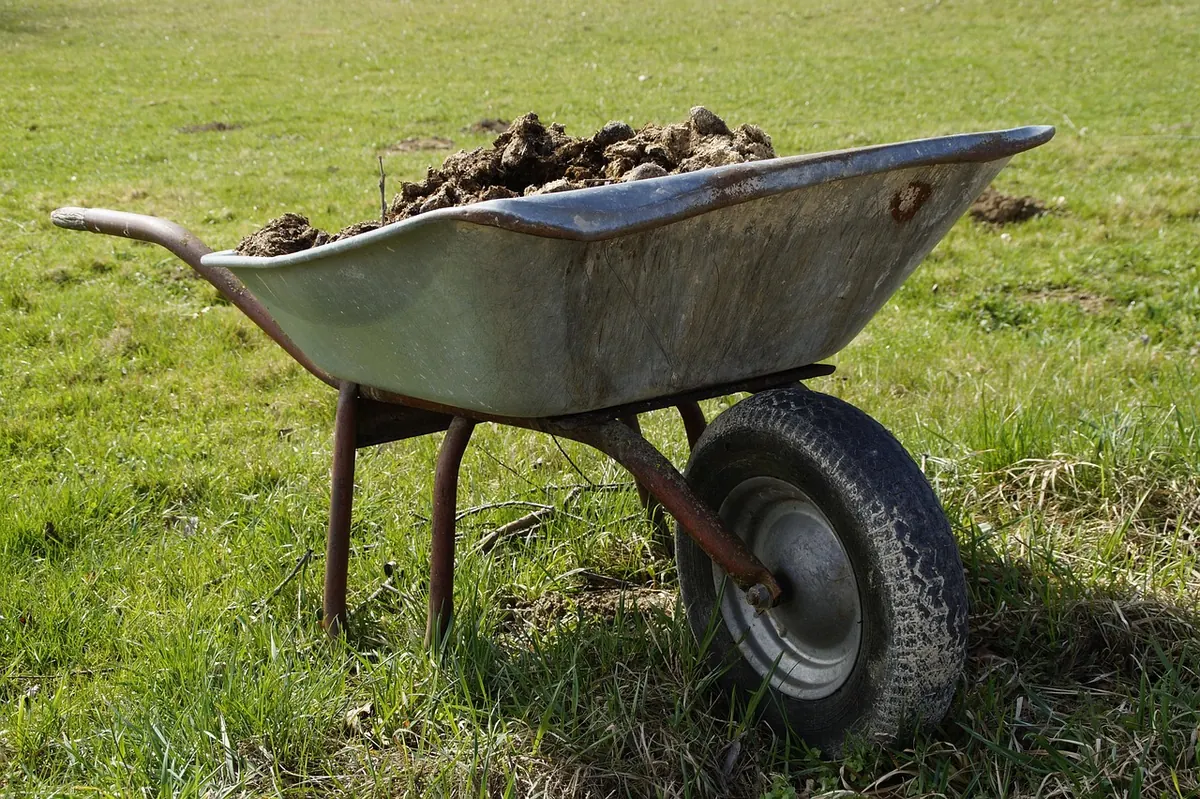
Photo: Efraimstochter / Pixabay